
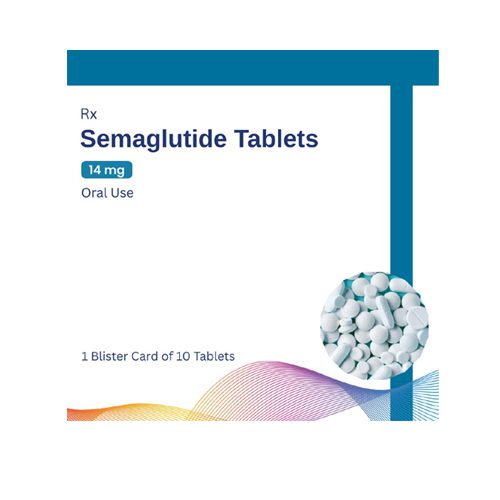
Semaglutide 14 mg (Generic)
$ 94.50
Semaglutide 14 mg for Type 2 Diabetes: Uses, Benefits, Dosage, and Clinical Research Introduction Type 2 diabetes mellitus has become one of the most common chronic health conditions worldwide. Modern lifestyles, dietary habits, obesity, and genetic factors have all contributed to the rising number of people struggling with uncontrolled blood sugar levels. While lifestyle changes remain the foundation of diabetes management, medications play a crucial role in achieving long-term glycemic control and preventing complications. Among the newer and more advanced treatment options, Semaglutide 14 mg has emerged as a highly effective oral medication for adults with type 2 diabetes. It belongs to a class of drugs called GLP-1 receptor agonists, which work by mimicking a natural hormone involved in blood sugar regulation and appetite control. Unlike injectable GLP-1 medications, Semaglutide 14 mg is available in an oral tablet form, making it a convenient option for patients who prefer pills over injections. Beyond blood sugar control, it also offers additional benefits such as weight reduction and cardiovascular risk management when used under medical supervision. What Is Semaglutide 14 mg? Semaglutide 14 mg is an oral antidiabetic medication prescribed for the management of type 2 diabetes mellitus in adults. It is the highest oral maintenance dose of semaglutide and is usually prescribed after gradual dose escalation. Semaglutide mimics the action of glucagon-like peptide-1 (GLP-1), a hormone naturally released in the gut after eating. This hormone helps regulate blood sugar by stimulating insulin release, reducing excess glucose production by the liver, and slowing down digestion. Key Characteristics of Semaglutide 14 mg Oral GLP-1 receptor agonist Used for adults with type 2 diabetes Helps control blood sugar and appetite Supports gradual weight loss Taken once daily How Semaglutide 14 mg Works Semaglutide 14 mg works by targeting multiple pathways involved in blood sugar regulation and metabolic health. 1. Stimulates Insulin Release When blood sugar levels rise after meals, semaglutide stimulates the pancreas to release insulin. It works by moving sugar from the bloodstream into cells, where it provides energy. 2. Reduces Glucagon Secretion Glucagon is a hormone that raises blood sugar by signaling the liver to release stored glucose. Semaglutide suppresses excess glucagon release, preventing unnecessary spikes in blood sugar. 3. Slows Gastric Emptying Semaglutide slows how quickly food moves from the stomach to the intestines. This leads to better post-meal blood sugar control and helps patients feel full for longer periods. 4. Regulates Appetite and Satiety By targeting appetite-regulating areas in the brain, semaglutide decreases hunger and cravings. This often leads to reduced calorie intake and gradual weight loss. Medical Uses of Semaglutide 14 mg Semaglutide 14 mg is an oral GLP-1 receptor agonist primarily used for managing type 2 diabetes mellitus in adults. Its unique mechanism of action makes it effective not only for controlling blood sugar but also for supporting overall metabolic health. 1. Blood Sugar Management The primary medical use of Semaglutide 14 mg is to control blood glucose levels in adults with type 2 diabetes. It helps: Lower HbA1c levels Prevent post-meal blood sugar spikes Improve overall glycemic stability 2. Monotherapy and Combination Therapy Monotherapy: Can be used alone when other medications are unsuitable. Combination Therapy: Often prescribed with metformin, sulfonylureas, or insulin to achieve optimal blood sugar control. Dose adjustments could be required to reduce the risk of hypoglycemia. Weight Management Support While not a primary obesity treatment, Semaglutide 14 mg can help reduce appetite and promote gradual weight loss. This effect is beneficial for overweight or obese adults with type 2 diabetes, as weight loss improves insulin sensitivity and metabolic health. 4. Cardiovascular Risk Reduction Clinical studies indicate that Semaglutide may reduce the risk of major cardiovascular events, such as heart attacks or strokes, in high-risk patients with type 2 diabetes. This makes it a valuable choice for patients with existing cardiovascular concerns. 5. Metabolic Health Support Beyond blood sugar control, Semaglutide 14 mg may positively impact cholesterol levels, insulin sensitivity, and overall metabolic function, contributing to better long-term health outcomes. Benefits of Semaglutide 14 mg 1. Effective Blood Sugar Control Semaglutide significantly lowers HbA1c levels, helping patients achieve and maintain their target blood glucose goals. 2. Oral Convenience Unlike injectable GLP-1 medications, Semaglutide 14 mg is taken orally, improving adherence and patient comfort. 3. Weight Reduction Support By reducing appetite and calorie intake, semaglutide often supports gradual and sustainable weight loss. 4. Lower Risk of Hypoglycemia When used alone or with metformin, semaglutide has a low risk of causing dangerously low blood sugar levels. 5. Cardiovascular Benefits Clinical studies suggest that semaglutide may reduce the risk of major cardiovascular events in people with type 2 diabetes and existing heart disease. 6. Once-Daily Dosing A simple once-daily dosing schedule makes it easier to incorporate into daily routines. Dosage and Administration of Semaglutide 14 mg Semaglutide 14 mg is an oral GLP-1 receptor agonist used to manage type 2 diabetes in adults. Proper dosing helps maximize benefits and reduce side effects. Recommended Dosing Schedule Stage Daily Dose Duration / Notes Starting Dose 3 mg First 30 days to help the body adjust Titration Dose 7 mg Next 30 days for gradual increase Maintenance Dose 14 mg Long-term, full therapeutic dose How to Take the Medication: Take once daily on an empty stomach with plain water. Swallow the tablet whole; avoid chewing or crushing. Wait 30 minutes before meals, drinks, or other medications. Use at the same time every day for consistent effects. Missed Dose In case of a missed dose, do not take an extra dose; continue with your next scheduled dose. Do not double the dose to compensate. Important Notes Gradual dose escalation helps minimize gastrointestinal side effects. Regular blood sugar monitoring is recommended, especially if used with other diabetes medications. Always adhere to your doctor’s instructions regarding dose adjustments. Side Effects of Semaglutide 14 mg Like all medications, Semaglutide 14 mg may cause side effects, although not everyone experiences them. Common Side Effects Nausea Vomiting Diarrhea Constipation Abdominal discomfort Reduced appetite These side effects are generally mild and tend to get better as your body adapts. Less Common Side Effects Acid reflux Bloating Fatigue Dizziness Serious Side Effects (Rare) Pancreatitis (severe abdominal pain) Gallbladder problems Severe allergic reactions Kidney problems due to dehydration See your healthcare provider if symptoms are severe or continue. Safety Precautions and Warnings Semaglutide 14 mg may not be suitable for everyone. Do Not Use If You Have Personal or family history of medullary thyroid carcinoma Multiple endocrine neoplasia syndrome type 2 Known allergy to semaglutide Use With Caution In History of pancreatitis Severe gastrointestinal disorders Kidney disease Elderly patients Always tell your doctor about your medical history before beginning treatment. Drug Interactions Semaglutide may interact with certain medications, including: Insulin and sulfonylureas (increased risk of hypoglycemia) Oral medications that require rapid absorption Blood pressure or heart medications Regular monitoring and dose adjustments may be required. Clinical Research and Evidence Multiple large-scale clinical trials have demonstrated the effectiveness and safety of semaglutide. Key Findings Significant reduction in HbA1c levels Meaningful weight loss compared to placebo Improved cardiovascular outcomes in high-risk patients Sustained glycemic control with long-term use These findings support semaglutide as a reliable option for comprehensive diabetes management. Lifestyle Support Along With Semaglutide 14 mg For best results, Semaglutide 14 mg should be combined with: Balanced, portion-controlled diet Regular physical activity Weight management strategies Routine blood sugar monitoring The effectiveness of the medication improves when paired with healthy living practices. Frequently Asked Questions (AEO-Optimized) What is Semaglutide 14 mg and what is it used for? It is an oral medication for adults with type 2 diabetes to help control blood sugar and support metabolic health, including gradual weight loss. How does Semaglutide 14 mg work? It mimics the GLP-1 hormone, stimulating insulin release, reducing glucagon, slowing stomach emptying, and controlling appetite for better blood sugar management. What are the benefits of Semaglutide 14 mg? Effective blood sugar control, weight management, improved insulin sensitivity, low risk of hypoglycemia, and potential cardiovascular benefits. How should I take Semaglutide 14 mg? Take once daily on an empty stomach with water, and wait 30 minutes before eating or taking other medications. Start with a lower dose and gradually increase to 14 mg. What side effects can occur? Common effects include nausea, vomiting, diarrhea, constipation, and mild abdominal discomfort. Severe reactions are uncommon but need immediate medical attention. Can it be taken with other medications? Yes, with guidance from a doctor, especially if combined with metformin or insulin. The dose may need to be changed to avoid low blood sugar (hypoglycemia). How long to see results? Blood sugar improvements may appear within weeks; appetite control and weight loss usually develop gradually over months with proper diet and exercise. Conclusion Semaglutide 14 mg is an effective oral medication for managing type 2 diabetes by improving blood sugar control and supporting appetite regulation. With proven clinical benefits, convenient once-daily dosing, and added weight and cardiovascular advantages, it offers a reliable treatment option when combined with a healthy lifestyle and regular medical supervision.