
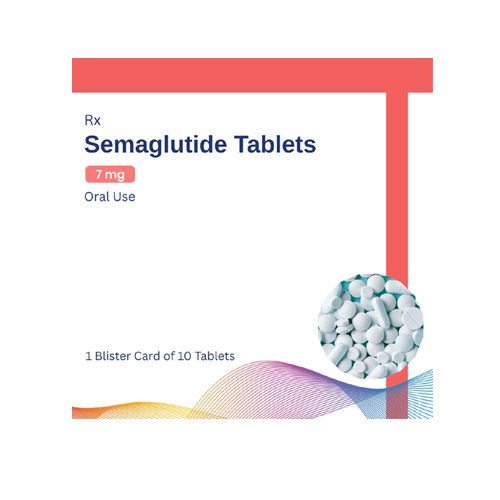

Rybelsus 7 mg (Semaglutide)
$ 85.50
Semaglutide 7 mg Tablet – Complete Guide to Uses, Dosage, Benefits & Safety Introduction Managing type 2 diabetes is not just about lowering blood sugar—it is about improving overall health, preventing long-term complications, and maintaining a good quality of life. With lifestyle changes alone often not being enough, modern medicines like Semaglutide 7 mg have become an important part of diabetes care. Semaglutide 7 mg is an oral GLP-1 receptor agonist that helps control blood sugar levels, reduces appetite, and supports weight management. It is usually prescribed after the initial Semaglutide 3 mg starting dose, offering stronger and more consistent glucose control. What Is Semaglutide 7 mg? Semaglutide 7 mg is a once-daily oral tablet used for the treatment of type 2 diabetes mellitus in adults. It belongs to a class of medicines known as GLP-1 (glucagon-like peptide-1) receptor agonists. Unlike insulin injections, Semaglutide 7 mg is taken by mouth, making it a convenient option for patients who prefer oral therapy. Key Features Oral tablet (non-injectable) Taken once daily Helps control blood sugar Reduces appetite Supports gradual weight loss Low risk of hypoglycemia when used correctly Active Ingredient Semaglutide – 7 mg Semaglutide is a GLP-1 receptor agonist that helps regulate blood sugar levels by enhancing insulin release after meals, reducing excess glucose production, slowing gastric emptying, and controlling appetite in adults with type 2 diabetes. Indications Semaglutide 7 mg is indicated for the treatment of type 2 diabetes mellitus in adults. Its primary uses include: Supports better blood glucose control when lifestyle changes alone are insufficient Step-up therapy after the initial 3 mg dose to achieve better glycemic control Supporting weight management by reducing appetite and food intake Use alone or in combination with other antidiabetic medications such as metformin Note: Semaglutide 7 mg is not indicated for type 1 diabetes or for treating diabetic ketoacidosis. How Semaglutide 7 mg Works Semaglutide 7 mg works by mimicking the natural GLP-1 hormone found in the body. This hormone plays a key role in blood sugar regulation and appetite control. Mechanism of Action Semaglutide helps in multiple ways: Increases insulin release when blood sugar levels are high Reduces glucagon production, which lowers excess sugar release from the liver Causes food to remain in the stomach longer by slowing gastric emptying Enhances feeling of fullness, helping reduce food intake Together, these effects lead to better blood sugar control and improved metabolic health. Medical Uses of Semaglutide 7 mg Semaglutide 7 mg is primarily used for the management of type 2 diabetes, but it also offers additional metabolic benefits. 1. Type 2 Diabetes Management Improves fasting and post-meal blood sugar levels Helps reduce HbA1c levels Used when diet and exercise alone are insufficient 2. Step-Up Therapy After 3 mg Prescribed after completing the 3 mg initiation phase Provides stronger glucose control Helps patients transition safely toward higher doses if needed 3. Weight Management Support Reduces appetite and cravings Helps patients lose weight gradually Improves insulin sensitivity 4. Combination Therapy Can be used with metformin, SGLT2 inhibitors, or other antidiabetic medicines Dose adjustments may be required when combined with insulin or sulfonylureas Benefits of Semaglutide 7 mg Semaglutide 7 mg offers multiple benefits beyond basic glucose control. 1. Better Blood Sugar Control Lowers HbA1c levels effectively Reduces daily glucose fluctuations 2. Appetite and Portion Control Helps patients feel full sooner Reduces overeating and unhealthy snacking 3. Supports Weight Loss Encourages gradual, sustainable weight reduction Especially beneficial for overweight diabetic patients 4. Convenient Oral Dosing No injections required Once-daily tablet improves treatment adherence 5. Low Hypoglycemia Risk Low chance of low blood sugar when used alone or with metformin 6. Cardiometabolic Benefits Helps improve overall metabolic profile May support heart health in high-risk patients Semaglutide 7 mg: Recommended Dosage and Use Semaglutide 7 mg is usually prescribed after the initial 3 mg dose to provide improved blood sugar control. Taking it correctly is important for maximum effectiveness and to reduce side effects. Recommended Dosage Dose: 7 mg once daily When to Start: After completing at least 30 days of Semaglutide 3 mg Dose Adjustment: If additional glucose control is needed, the dose may be increased to 14 mg, as advised by a doctor How to Take Semaglutide 7 mg Take one tablet every day on an empty stomach Swallow whole with plain water only Use no more than 120 ml (½ glass) of water Wait 30 minutes before taking food, beverages, or other medications Take it at the same time each day Missed Dose If you miss a dose, skip it and take the next dose at the regular time Do not double the dose Important Administration Tips Do not crush, chew, or split the tablet Consistent daily use improves results Always follow your doctor’s instructions for dose changes If you want, I can also provide this section in a short table format or quick-reference checklist. Semaglutide 7 mg: Adverse Effects and Safety Information Semaglutide 7 mg is generally well tolerated, but like all medicines, it may cause side effects in some people. Most side effects are mild or moderate and usually get better as your body adapts to the medication. Common Side Effects These are the most frequently reported, especially during the early weeks of treatment: Nausea Vomiting Diarrhea Constipation Stomach pain or discomfort Decreased appetite Less Common Side Effects Indigestion or bloating Fatigue or weakness Dizziness Acid reflux Rare but Serious Side Effects Although uncommon, these require immediate medical attention: Severe abdominal pain (possible pancreatitis) Gallbladder problems such as gallstones Allergic reactions (rash, swelling, difficulty breathing) Persistent vomiting or dehydration How to Reduce Side Effects Start with the lower dose (3 mg) before moving to 7 mg Eat smaller, lighter meals Avoid fatty or spicy foods Take the tablet exactly as prescribed Important: If side effects are severe, long-lasting, or worsen over time, consult your healthcare provider promptly. Safety Precautions and Warnings Semaglutide 7 mg should be used carefully in certain individuals. Who Should Avoid or Use with Caution Patients with type 1 diabetes History of pancreatitis Severe gastrointestinal disease Known allergy to semaglutide Pregnancy and Breastfeeding Should only be used if specifically recommended by a healthcare professional Clinical Research and Evidence Clinical studies have consistently shown that Semaglutide significantly improves diabetes outcomes. Key Research Findings Significant reduction in HbA1c levels Effective weight reduction compared to placebo Improved fasting blood glucose Better patient adherence due to oral dosing Research supports Semaglutide 7 mg as a safe and effective mid-dose option for long-term diabetes management. Lifestyle Support with Semaglutide 7 mg For best results, Semaglutide should be combined with: Balanced diabetic-friendly diet Regular physical activity Weight monitoring Routine blood sugar testing Maximum benefit is achieved when paired with healthy lifestyle habits. Product Details Product Type: Oral antidiabetic tablet (GLP-1 receptor agonist) Pack Size: Tablet strips (10–30 tablets per pack, depending on brand) Protection Duration: 24-hour blood sugar management with once-daily dosing Category: Prescription medication for Type 2 Diabetes Application: Helps control blood sugar, supports appetite regulation, and acts as a mid-dose step-up therapy after Semaglutide 3 mg Frequently Asked Questions (AEO-Optimized) 1. What is Semaglutide 7 mg used for? Semaglutide 7 mg is used to control blood sugar levels in adults with type 2 diabetes when diet and exercise alone are not enough. 2. How is Semaglutide 7 mg different from 3 mg? Semaglutide 3 mg is a starting dose, while 7 mg provides stronger blood sugar control after the body has adjusted to the medication. 3. Can Semaglutide 7 mg help with weight loss? Yes, it helps reduce appetite and food intake, which may lead to gradual and healthy weight loss in many patients. 4. How should Semaglutide 7 mg be taken? It should be taken once daily on an empty stomach with plain water, at least 30 minutes before eating or taking other medicines. 5. Does Semaglutide 7 mg cause low blood sugar? The risk of low blood sugar is low when used alone or with metformin, but the risk may increase when combined with insulin or sulfonylureas. 6. How long does it take for Semaglutide 7 mg to show results? Most patients begin to see improvements in blood sugar levels within a few weeks of regular use. 7. Is Semaglutide 7 mg safe for long-term use? Yes, clinical studies show it is safe and effective for long-term use when taken under medical supervision. Conclusion Semaglutide 7 mg is a powerful and convenient oral medication for managing type 2 diabetes. By improving blood sugar control, reducing appetite, and supporting weight management, it offers comprehensive metabolic benefits. When used correctly along with a healthy lifestyle and medical guidance, Semaglutide 7 mg can play a key role in long-term diabetes control and overall well-being.